YOU ARE ON PAGE THREE WELCOME TO NATO
HOMEPAGE - PAGE ONE - PAGE TWO - PAGE THREE
Diese Seite ist noch stark verbesserungsbedürftig.
Bitte haben Sie Geduld und schauen Sie später noch einmal vorbei.
Auf dieser Seite ehren wir all jene, die in den Jahren 1980 bis 1981
und den darauffolgenden Jahren in der Ludendorff-Kaserne gedient haben.
Diese Seite befindet sich im Aufbau
THIS PAGE IS UNDER CONSTRUCTION
Please come back in two weeks.
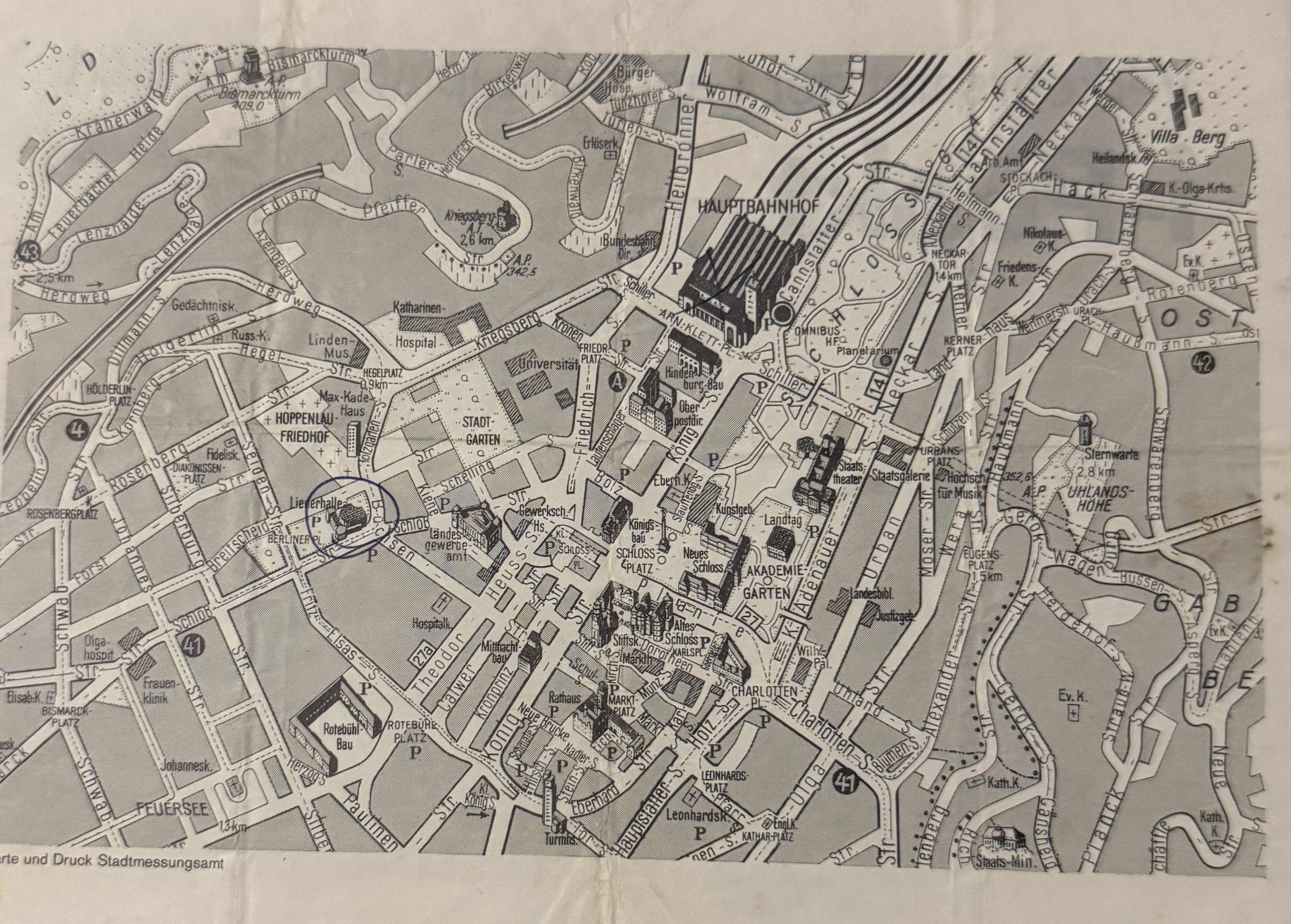
Here is map of Stuttgart. You can see the main Haupbahnhof train station with the Clocktower. ANd the City Park Stadt Garten.
You might remember the pedestrian and bicycle trails along the river. Stuttgart was a bicycle friendly town.
The whole area was surrounded by miles of Vineyards. There were nicely paved Farmer tractor roads
throughout the Vineyards that
were perfect for bicycles! It was bicycle heaven. America was still very anti bicycle at that time.
Das ist gute.
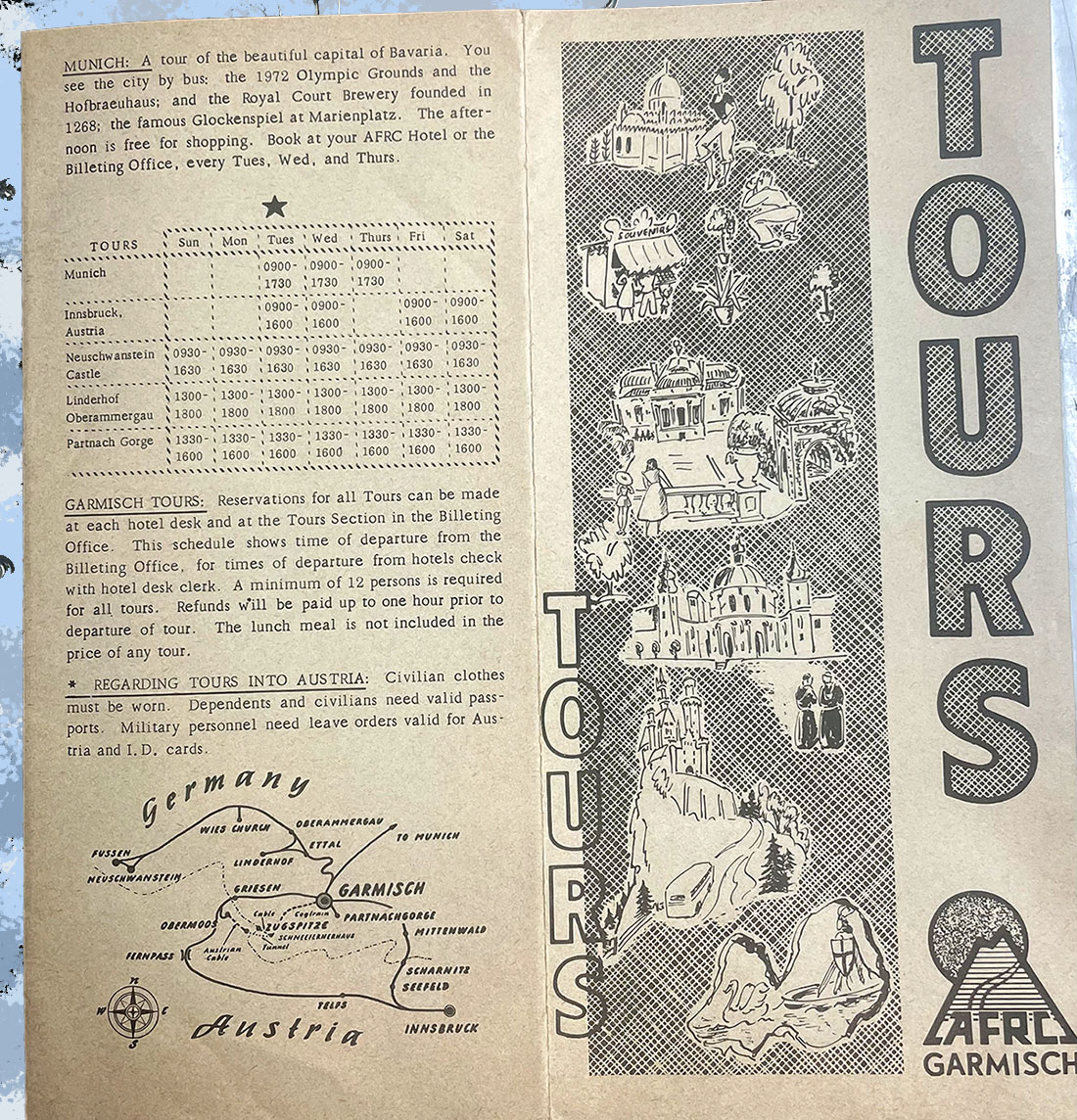
This is the brochure from the PX Travel Office. There were always excellent Tour Deals for soldiers.
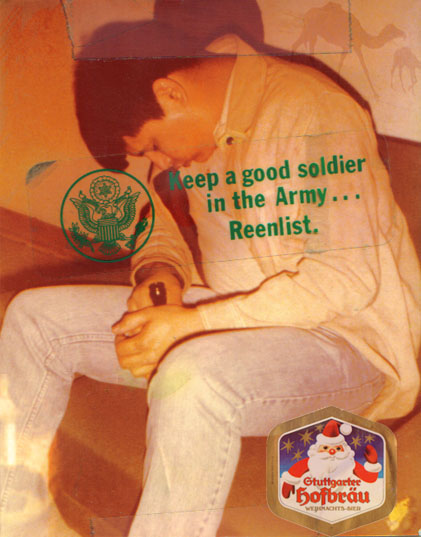
KEEP A GOOD SOLIDER IN. GIVE HIM HOFBRAU.
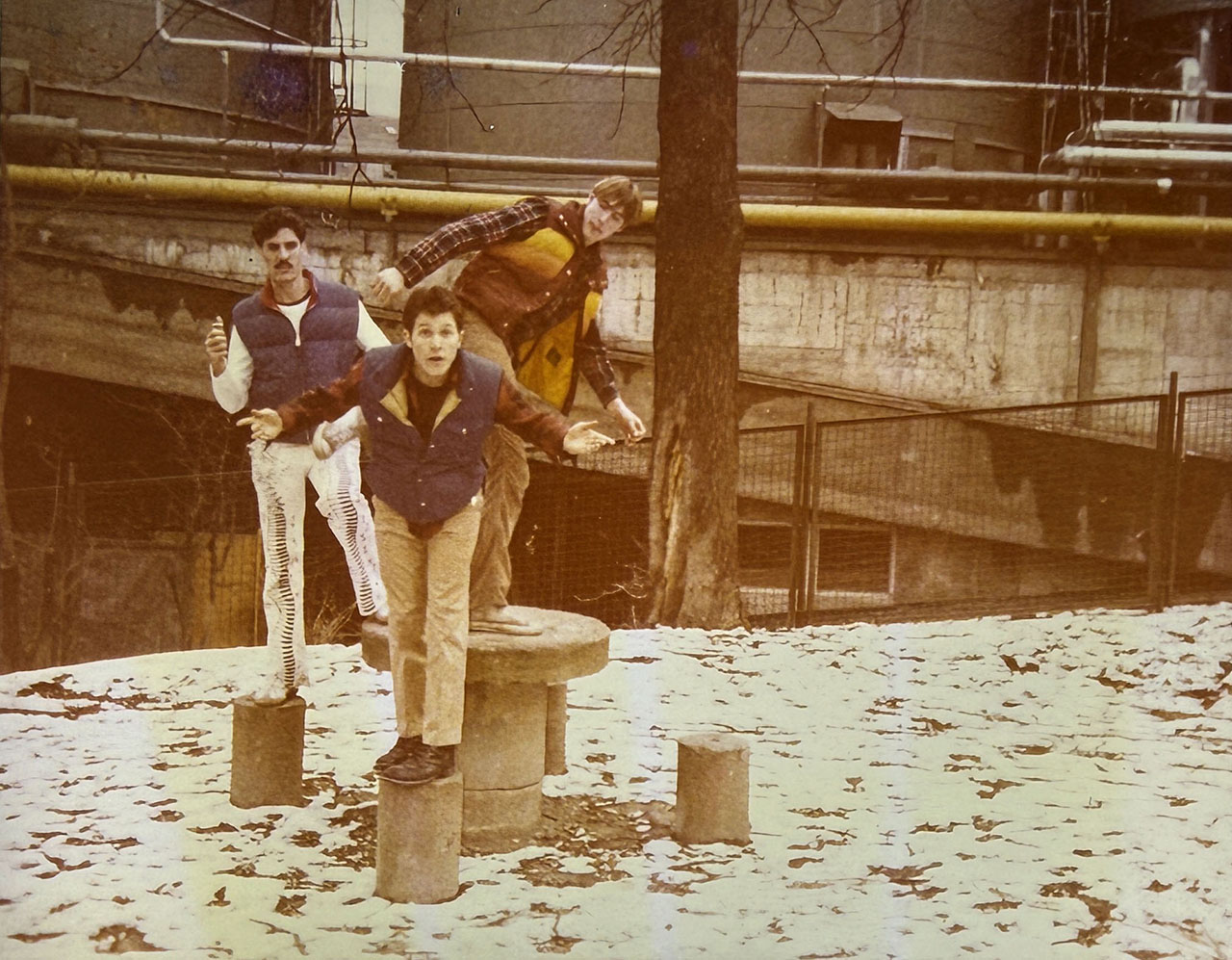
Here we paused at a Park in Stuttgart.
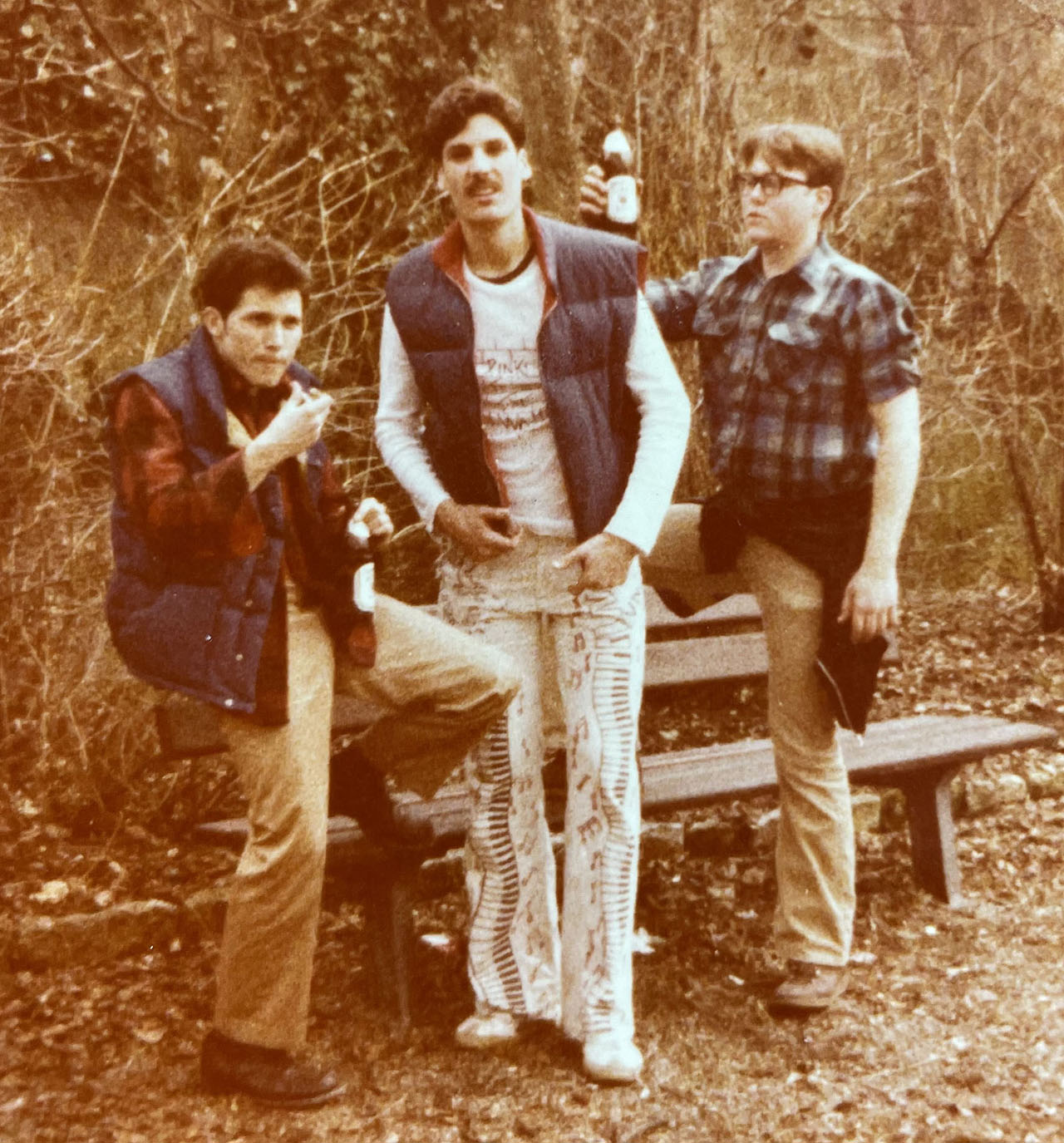
That's one of my custom Piano Pants versions. In a Stuttgart Park somewhere. There were cool little Parks all over Stuttgart.
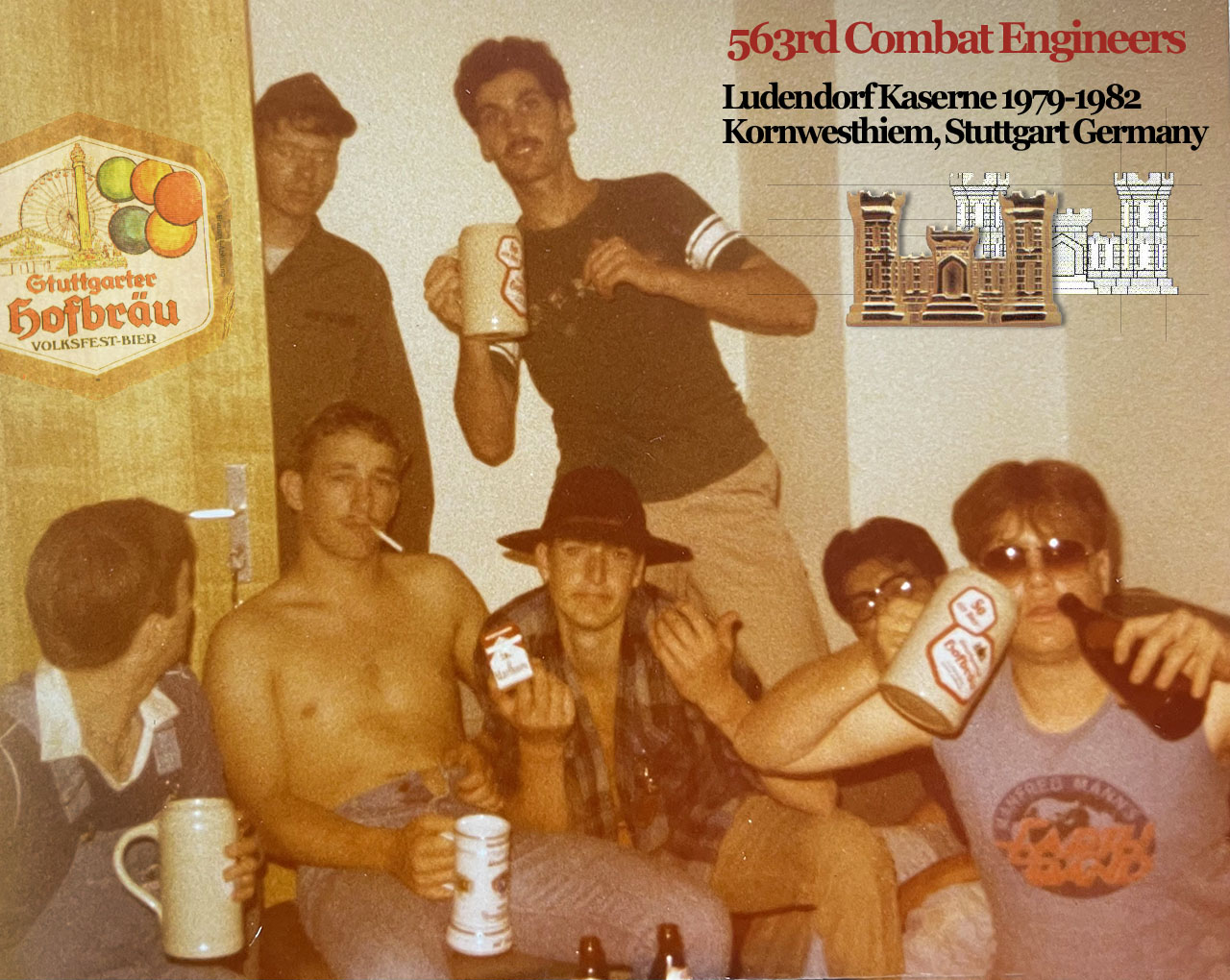
I dunno whats going on in the photo. I don't think they do eithher.
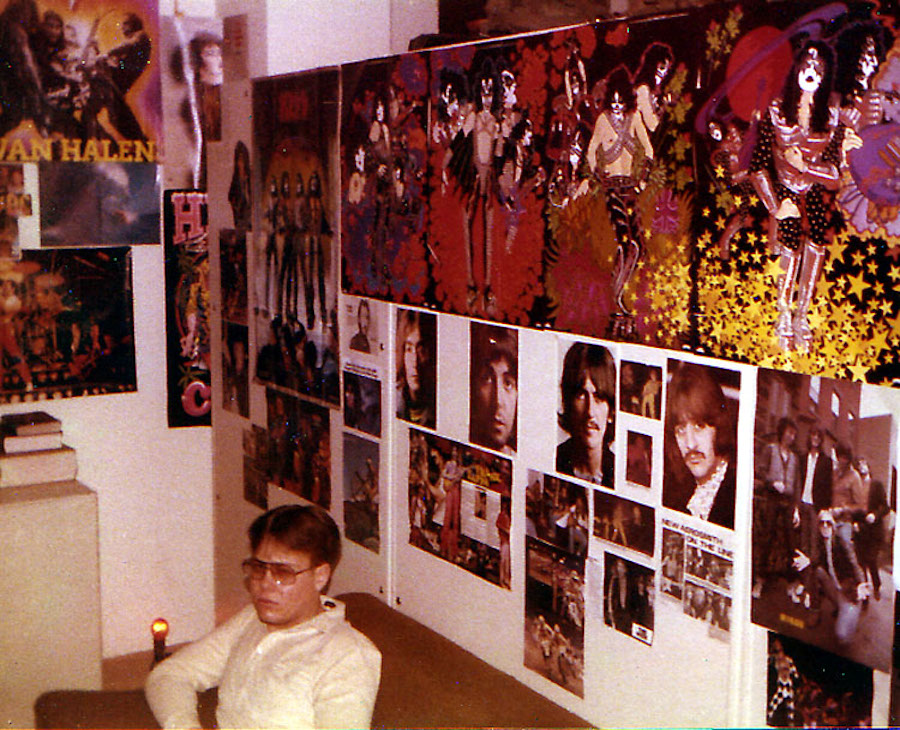
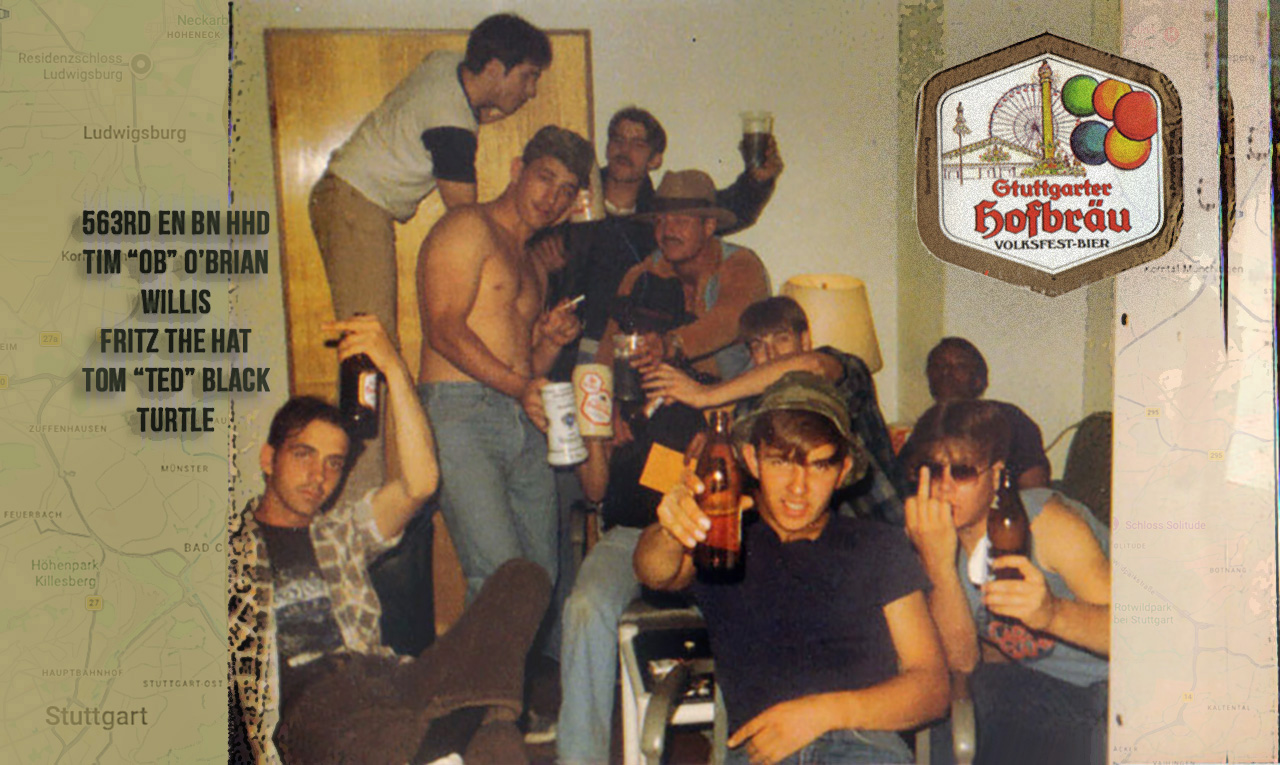
OB in our room. The Wall Posters would periodically change.
like musical wallpaper.
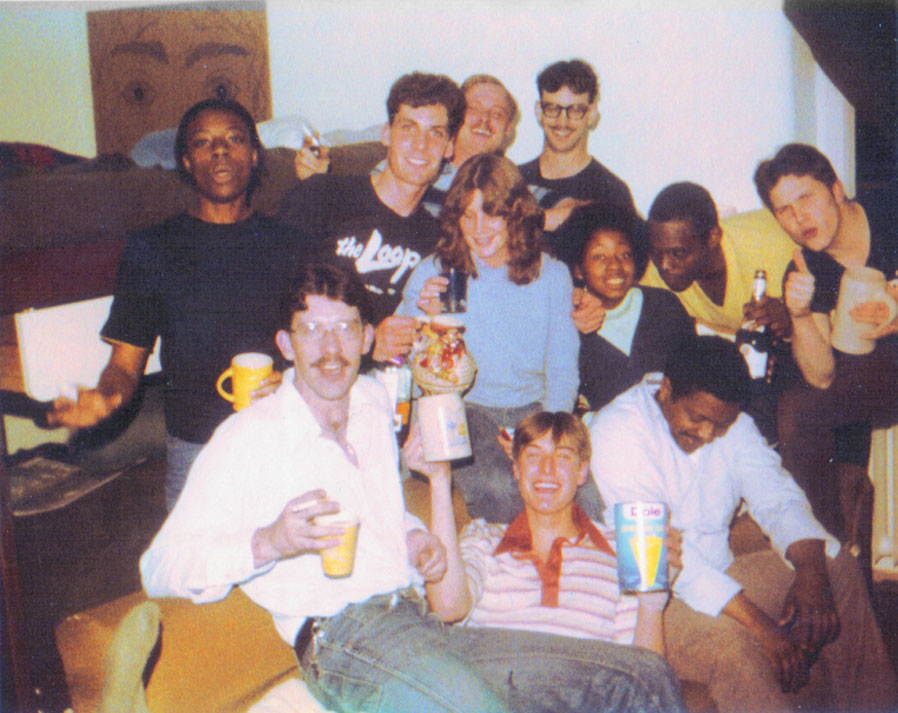
This photo is one of the early photos. It was the early days only a month or two in.
Thats Buddy and Milo in the back. Milo was Editor of the famous "563rd Bridge N Build" Newsletter.
That's Margart, Me, Donna, Beatrice, I forgot the black guy always hittin' on Bea,
OB aka Tim O'Brian is next to him. I don't remember the fella in the front row left,
in the middle is Ted, next to him is I forgot his name, but he was hilarious.
He left like a month later after this photo. He'd been there a few years
and had great stories. He's not looking down deep in thought, he's fuggin wasted,
we had Pineapple, Rum and Whiskey! Along with Beirs and more Beir.
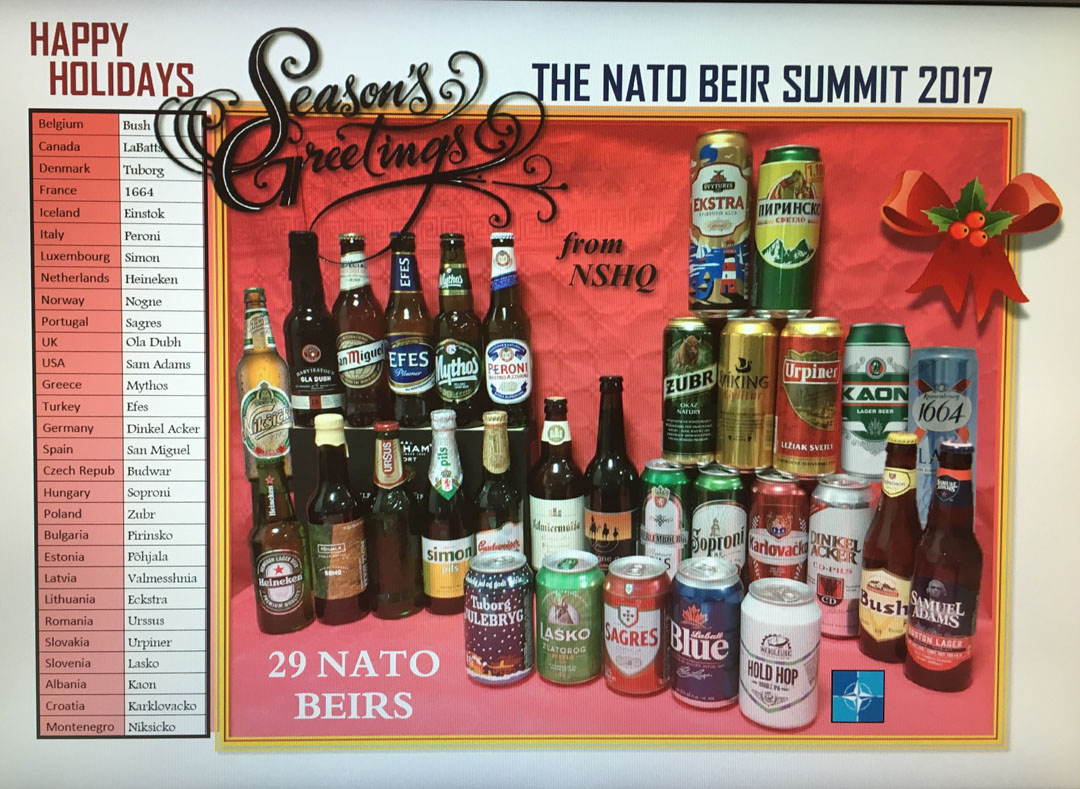
MEANWHILE OVER IN EUROPE LATER ON |
2017 |
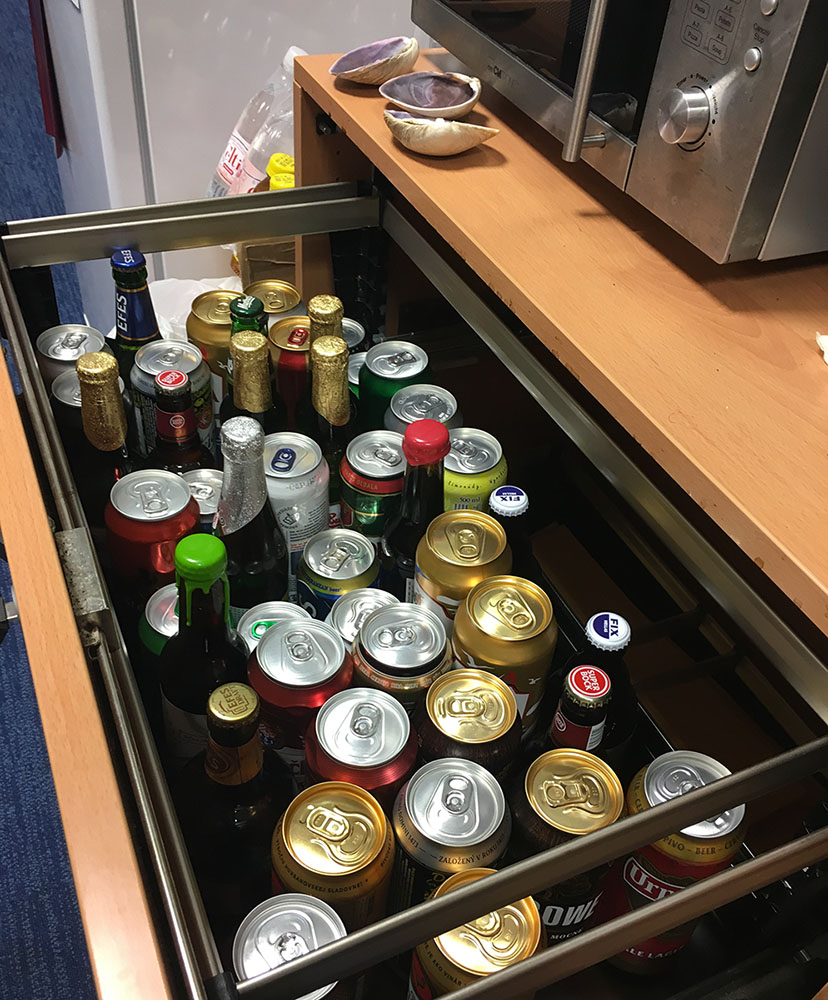
| One of my last Army Tours was in Belgium working for NATO. I had been trying to get to NATO for 20 years and out of the blue the SOCOM Admin called and asked if I would like to go to Belgium to work with NATO. I couldn't believe my ears. You don't need to say that twice I think I told him, put me down for that! It wasn't actually NATO Brussels it was for NATO Special Operations Headquarters "NSHQ" on the base with SHAPE (Supreme Headquarters Allied Powers Europe) down in in MONS by the French border. That's even better. You could drive to France in 15 minutes. I had to do that when I needed to find a French Beir. I drove all the way to France just to get a Beir. Why did I do that? To make military NATO History, |